Diving in Cuba
Cuba has more than 3,700 km of coastline, bordering the Caribbean Sea to the south, the Gulf of Mexico to the northwest, and the Atlantic Ocean to the northeast. With extensive coral reefs, steep walls, mangroves, seagrass beds, and numerous protected areas, the island has an exceptionally diverse marine environment.
I have been visiting Cuba almost every year between 2002 and 2024, and over these years I have had the opportunity to dive at many different locations around the island. The individual regions are quite different, both above and below the water. I will describe some of the places I know best in separate sections, including María la Gorda, Bahía de Cochinos, Havana, and Jardines de la Reina.
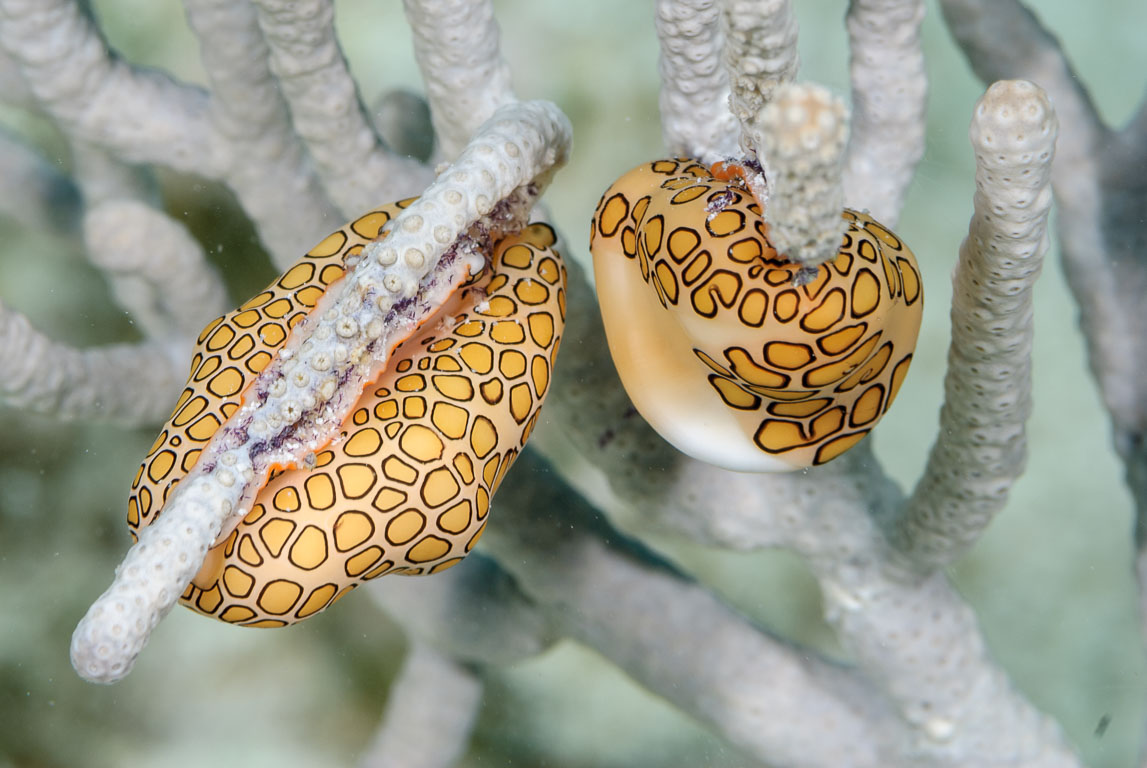
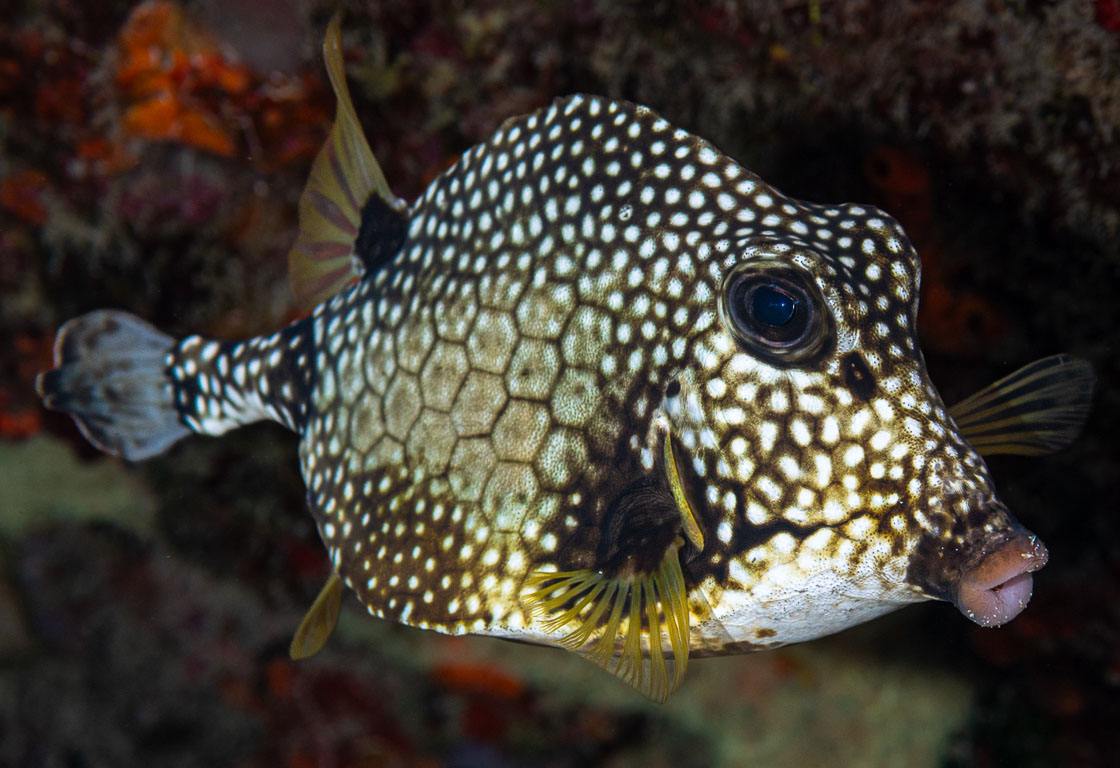
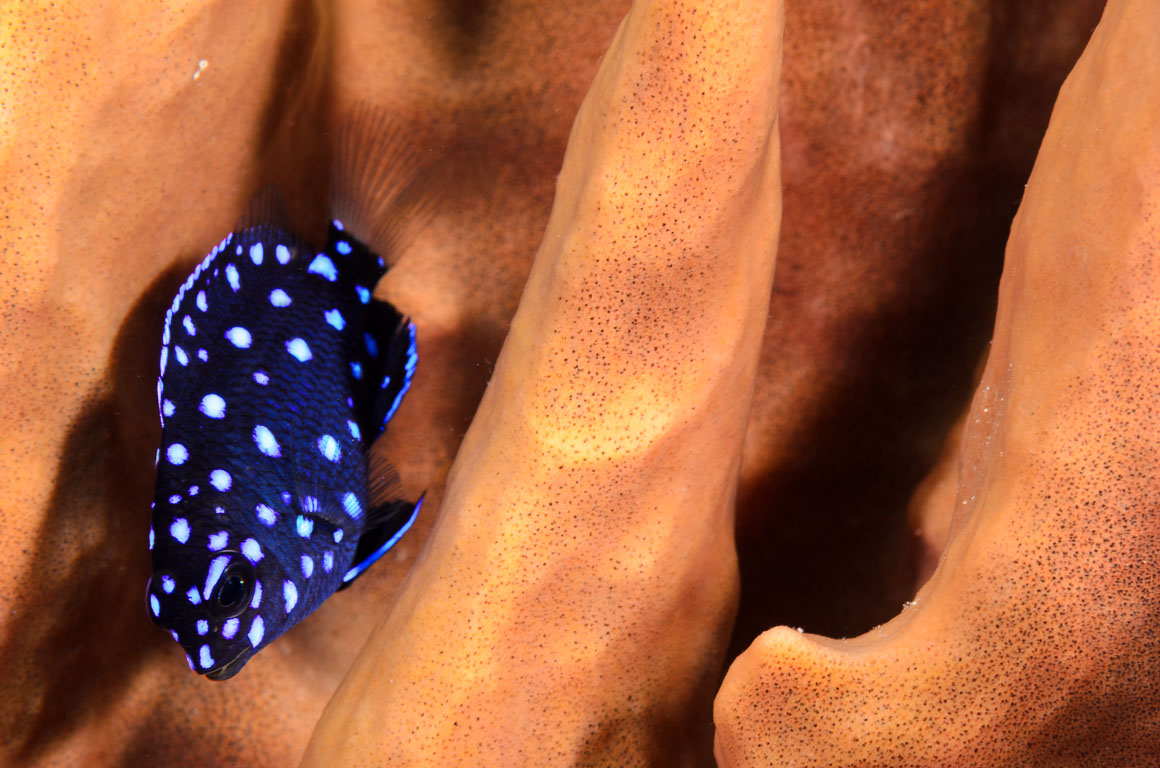
The underwater landscape of much of Cuba is characteristic of the Caribbean: extensive coral formations combined with large sponges, particularly the enormous barrel and tube sponges that can reach several metres in size. In many locations, the reefs appeared remarkably intact, with abundant fish and relatively little of the physical damage seen on heavily visited reefs elsewhere in the Caribbean.
One of the most spectacular features of Cuban diving is the abundance of steep reef walls. In the Bay of Pigs, for example, the reef drops away remarkably close to shore, making some of the walls accessible even from shore dives. Swimming along a steep wall in exceptionally clear water gives the impression of flying over a vertical landscape.
Water temperatures range approximately from 23°C in winter to almost 30°C in summer, with the Caribbean side generally somewhat warmer than the Atlantic coast. During my winter dives I preferred a 5 mm wetsuit, while a 2–3 mm suit is generally sufficient in summer.
Visibility varies considerably with weather and location. In the clearest Caribbean locations, visibility of several tens of metres is possible. The northern coast can become rough when cold fronts pass through, while tropical storms and hurricanes can affect conditions during the summer and autumn. Currents were generally not a major problem during my dives.
Even Havana can offer surprisingly good diving. The influence of a large city and sediment carried into the bay inevitably affects the local environment, but under favourable conditions the reefs can still provide interesting diving.
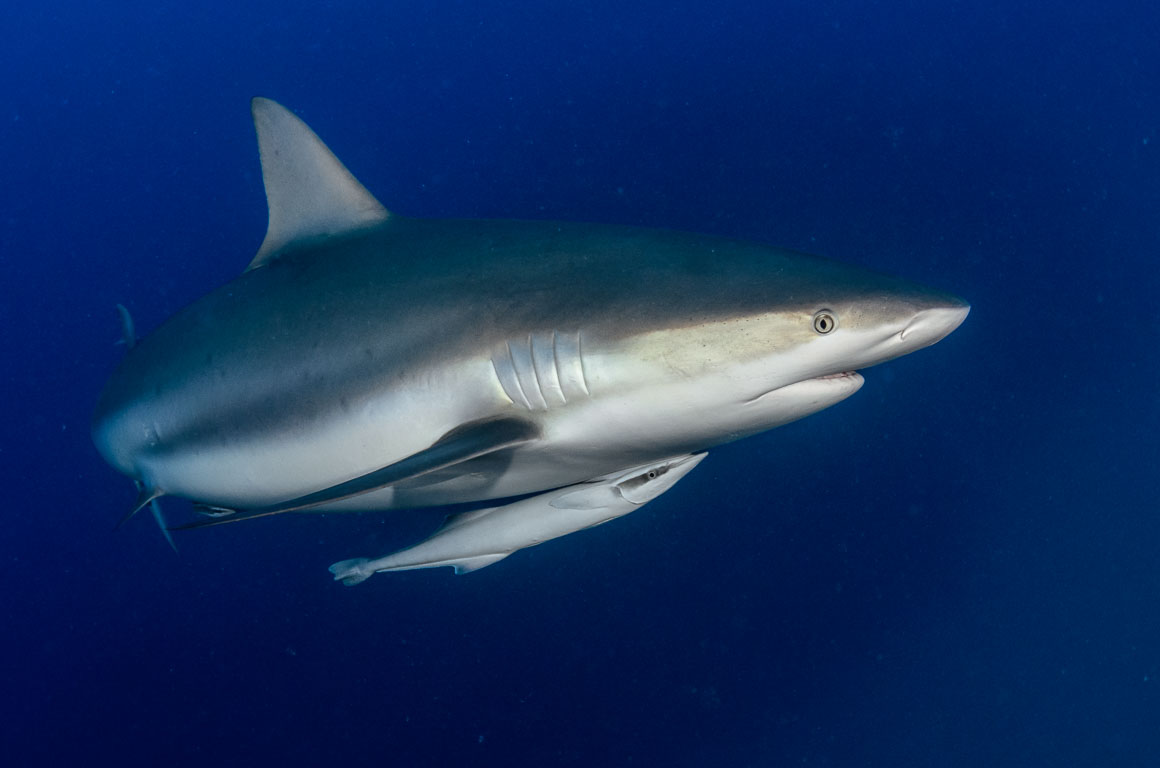
The most remarkable diving I experienced in Cuba was in Jardines de la Reina, a remote archipelago off the southern coast. The area is protected and access is highly restricted. During my visits, Jardines Avalon was the only company with a permit to conduct diving there, and the operation was exceptionally well organized. The combination of isolation, relatively low human impact, abundant marine life, and encounters with large predators makes Jardines de la Reina quite different from the other Cuban dive sites.
Diving in Cuba – My Experience
Cuba's diving infrastructure has always been less developed than that of many established Caribbean diving destinations. This has both advantages and disadvantages.
At the better-known diving locations, such as María la Gorda, the diving operation can be quite professional and the number of divers relatively small. In less tourist-oriented locations, however, diving can be unpredictable. Boats may be unavailable, equipment can be difficult to repair, or a dive centre may simply not be operating on a particular day.
For a diver accustomed to highly developed dive destinations, this requires some patience and flexibility. Spare parts and specialized equipment are difficult to obtain, and I would never rely on being able to replace or repair anything that fails. For underwater photography in particular, bringing spare O-rings, batteries, tools, and other essential equipment is important.
The positive side is that diving can be remarkably individual. Outside the major tourist centres, it is quite possible to find yourself on a dive boat with only a few other divers, sometimes just the divemaster and one or two guests. The reefs are often uncrowded, and the combination of clear water, steep walls, large sponges, and abundant marine life makes some of the dives exceptionally memorable.
Cuba Today
The situation today is very different from that during most of my visits. The descriptions of diving and infrastructure on ReefColors are based on my personal experiences between 2002 and 2024 and should not be interpreted as current travel advice.
Cuba is currently experiencing a severe economic and infrastructure crisis. Fuel shortages, prolonged power outages, shortages of food and other essential goods, and difficulties with transportation have made everyday life extremely difficult. Under these circumstances, recreational diving is understandably far from the most important concern for people living in Cuba.
Travel to Cuba is currently also difficult, with limited transportation and changing conditions. Anyone considering a trip should obtain current information from their government, airline, and local authorities rather than relying on older descriptions of Cuban tourism or diving.
For this reason, the Cuba pages on ReefColors are primarily intended as a record of the places, people, marine life, and diving I experienced over more than two decades of visiting the country. They are not intended as a guide to current travel conditions.
More detailed descriptions of the individual diving regions can be found in the corresponding ReefColors sections, including María la Gorda, Bahía de Cochinos, Havana, and Jardines de la Reina.