- 1
- 2

 Red
Red
- 1
- 2
Diving the Big Island of Hawaii
The Big Island of Hawaii is a fascinating place where spectacular volcanic landscapes meet crystal-clear Pacific waters. The island was formed by five volcanoes, two of which rise above 4,000 metres. Mauna Kea (4,205 m) is a dormant volcano whose summit hosts some of the world's largest astronomical observatories, while Mauna Loa (4,169 m) remains active. Nearby Kīlauea (1,247 m) is one of the most active volcanoes on Earth, constantly reshaping the island's landscape.
Even if you're not planning to dive, a visit to Hawaiʻi Volcanoes National Park is an unforgettable experience and should be on every visitor's itinerary.
The island has two main towns. Hilo, on the east coast, is home to around 40,000 people, while Kailua-Kona on the sunny west coast has a population of about 10,000. Compared to the busy atmosphere of Oahu, life on the Big Island moves at a much more relaxed pace, making it one of my favourite Hawaiian islands for a diving holiday.
Just south of Kona lies the charming village of Captain Cook. Instead of large resorts, you'll find welcoming and affordable bed & breakfasts, many surrounded by lush coffee plantations. Watching the sun set over the Pacific from a hammock in the middle of a coffee farm is a wonderfully peaceful experience that no luxury hotel can quite match.
Diving the Kona Coast
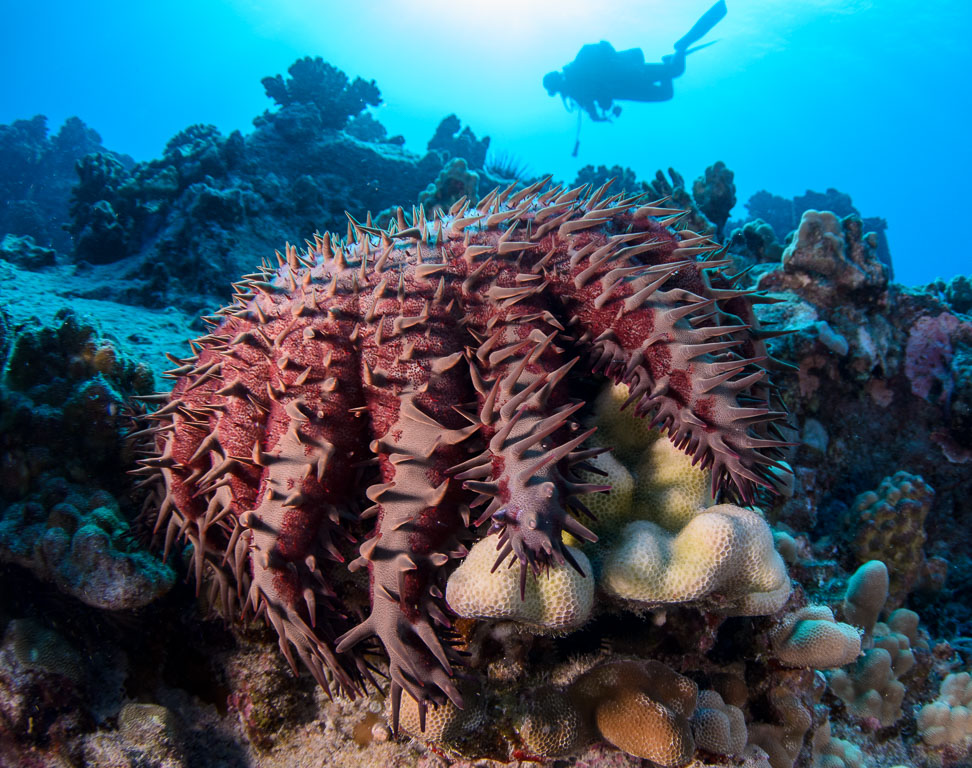
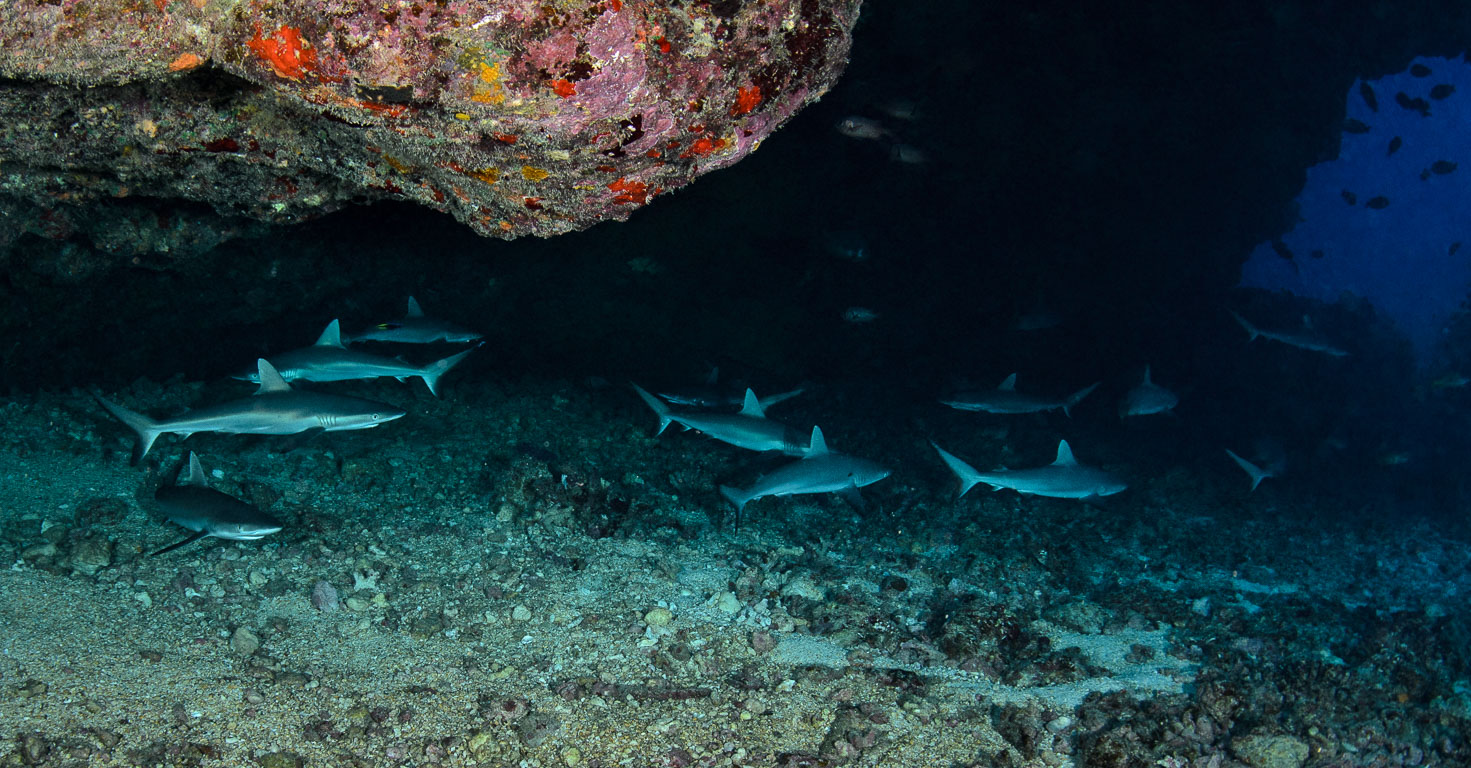
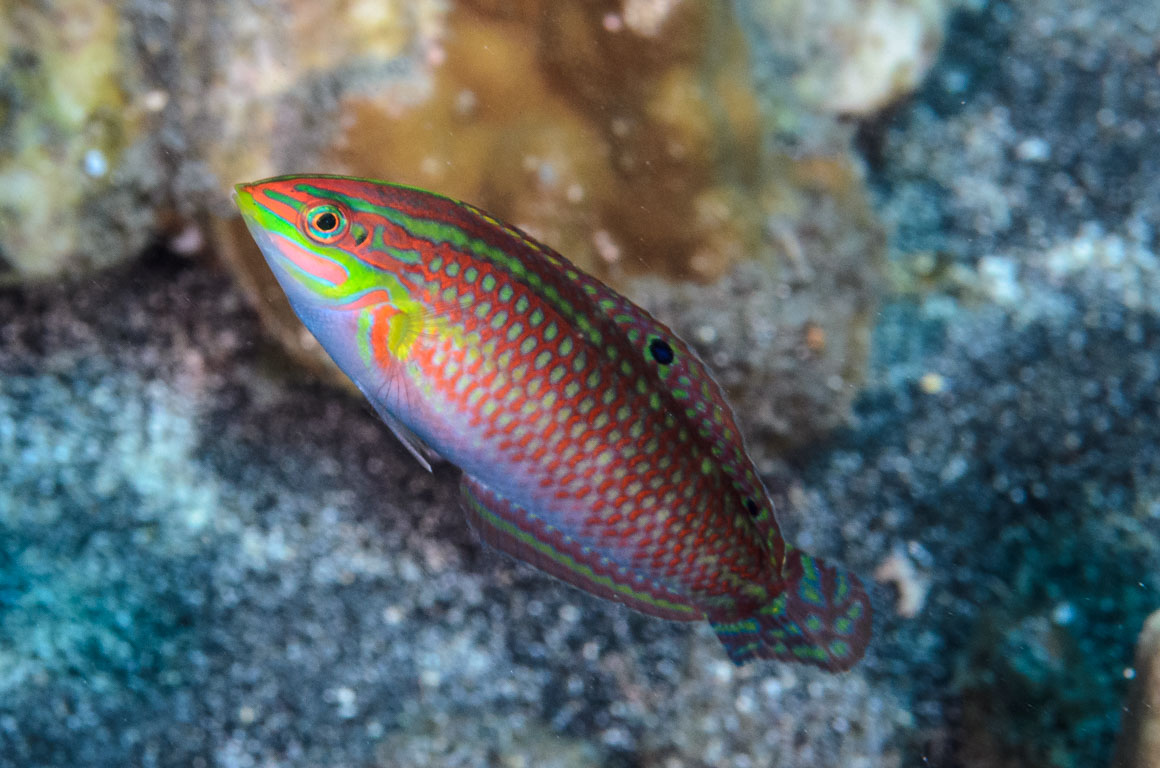
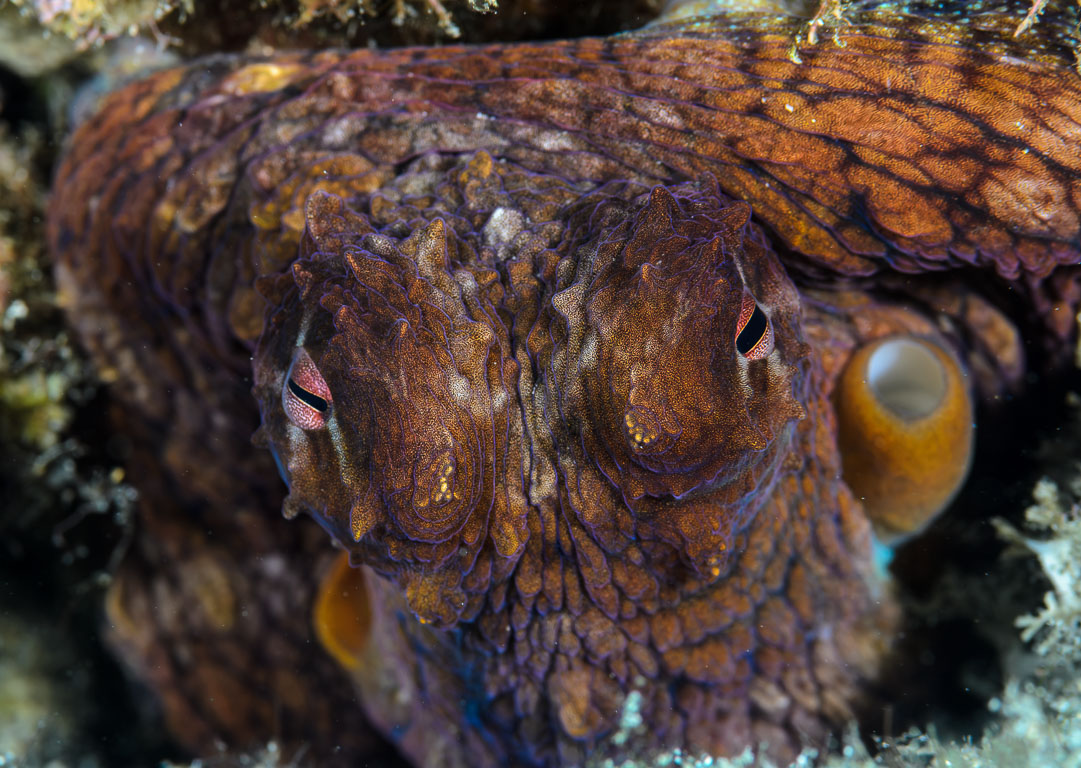
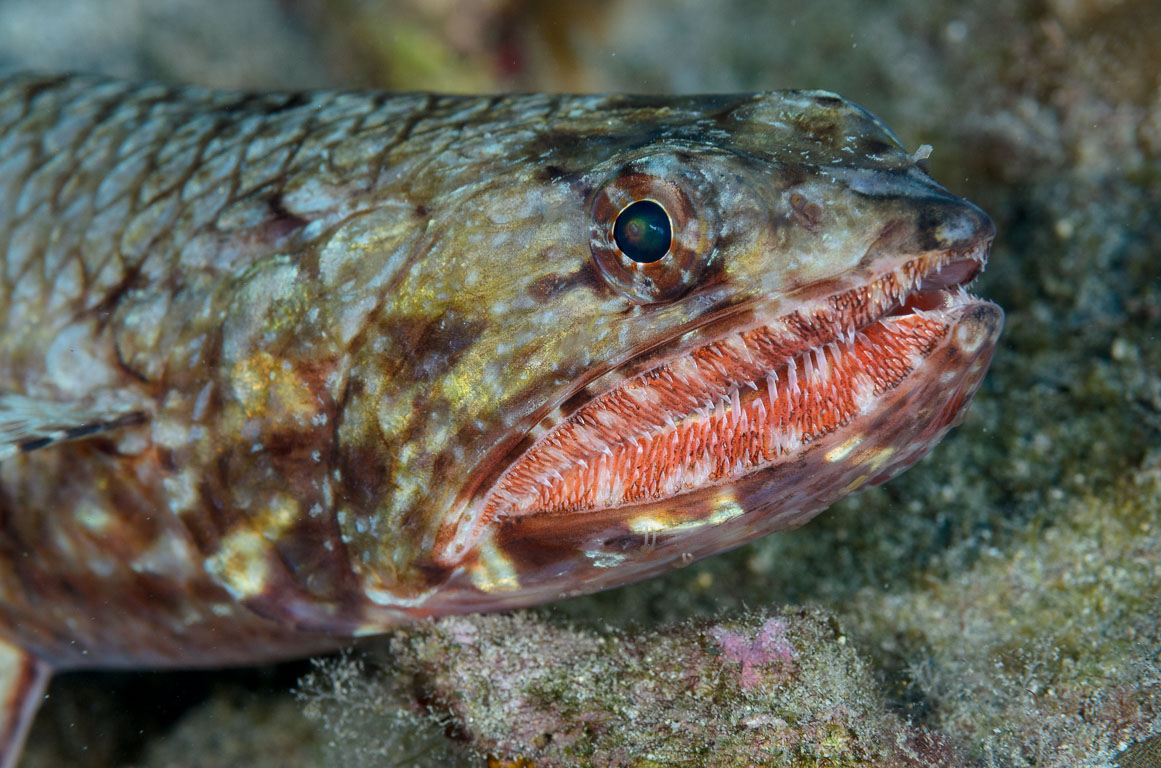
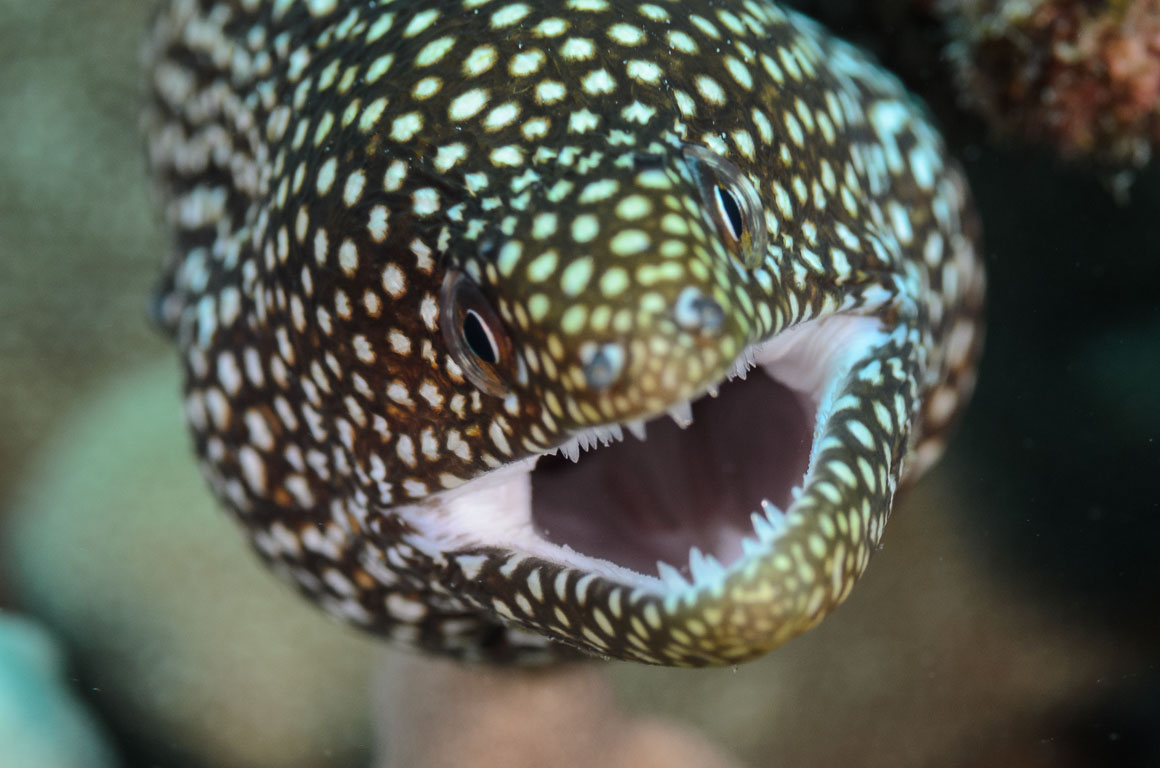
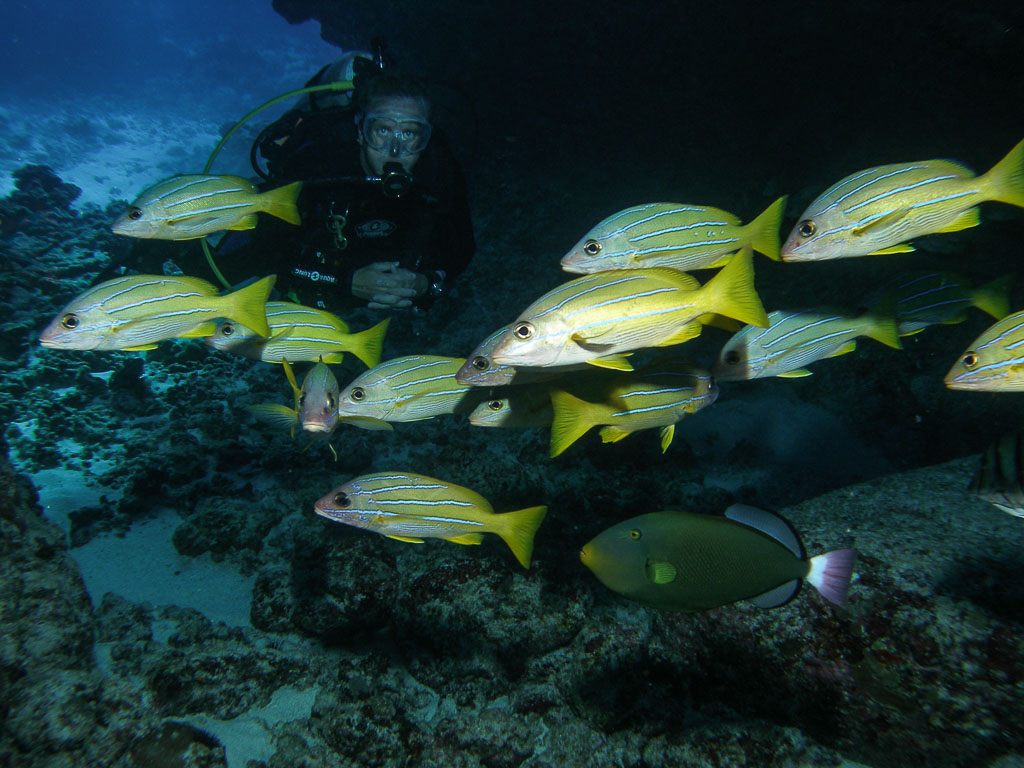
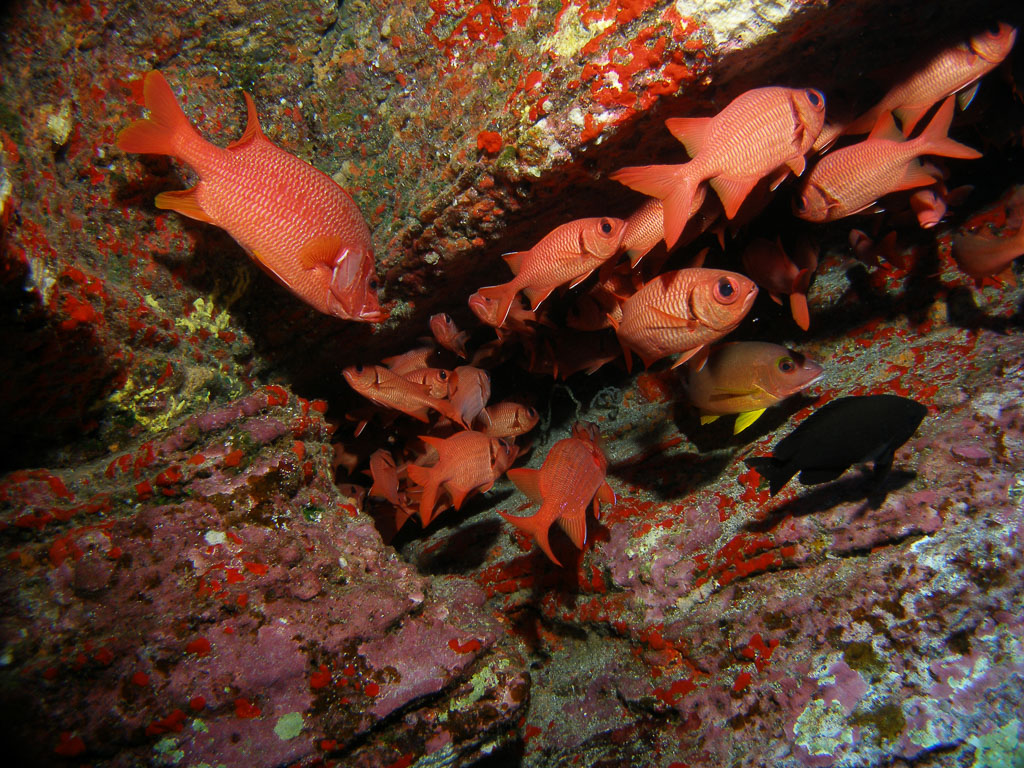
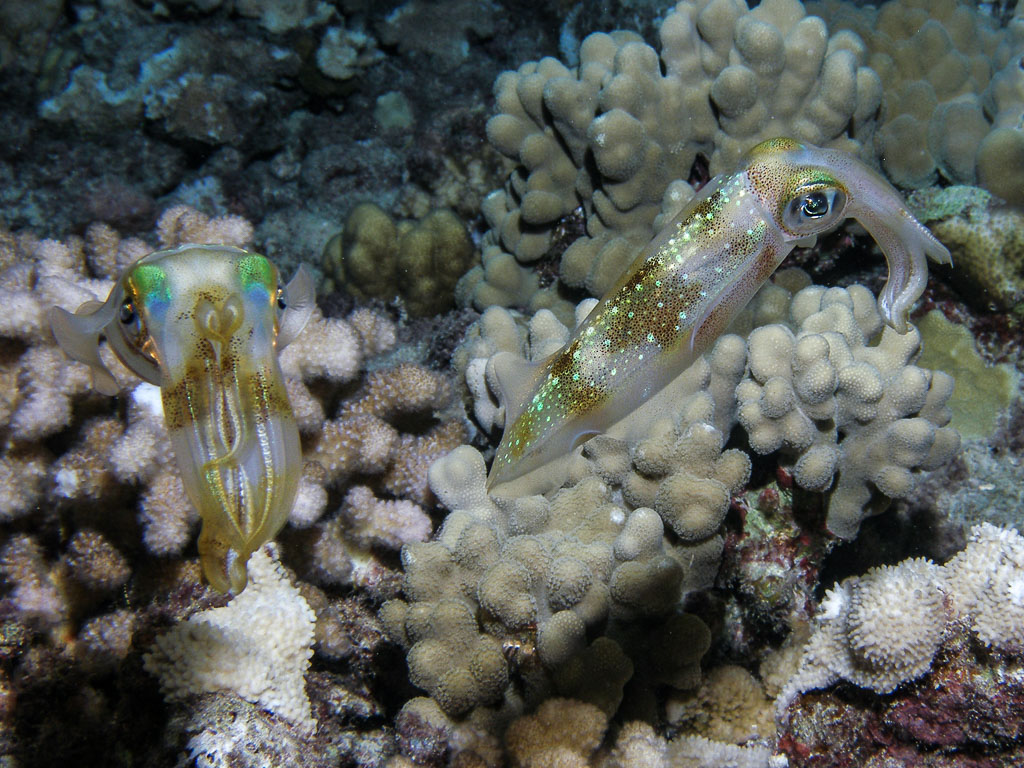
Most of the island's diving takes place along the Kona Coast, where numerous dive operators offer trips to excellent sites just a short boat ride from Honokōhau Harbor. The nearby reefs feature dramatic lava formations, healthy coral growth, and an impressive variety of reef fish.
I completed two dives with Big Island Divers, a smaller operator that offered a relaxed and very personal experience. The dive sites Spaceship and Golden Arches are famous for their spectacular underwater lava formations and abundant marine life. My maximum depths were 24 and 23 metres, with dive times of around 80 minutes each—something you don't often find on commercial dive trips. The crew's attention to safety and customer comfort made these dives especially enjoyable.
The Famous Manta Ray Night Dive
One of the highlights of any trip to Kona is the famous Manta Ray Night Dive, which I experienced with Kona Honu Divers. It is one of the most unique dives I've ever done and something that's difficult to describe until you've seen it for yourself.
Shortly after sunset, divers from several boats gather at Garden Eel Cove and form a large circle on the sandy bottom at around 10 metres depth. Each group is marked with differently coloured glow sticks, making it easy for divers to find their own boat after the dive. Everyone points their dive light upward while a powerful central light attracts clouds of plankton.
Before long, small fish arrive to feed—and then the stars of the show appear. Graceful manta rays glide effortlessly through the beams of light, performing elegant barrel rolls as they feed on the plankton. During my dive, three or four giant mantas repeatedly passed just above our heads, sometimes close enough to feel the movement of the water as they swept overhead. It was an unforgettable experience and one of the best night dives I have ever done.
Snorkelling and Shore Diving
The Kona Coast also offers plenty of excellent opportunities for snorkelling and shore diving. One of the best-known locations is Hōnaunau Bay, better known as Two Step, located next to Puʻuhonua o Hōnaunau National Historical Park.
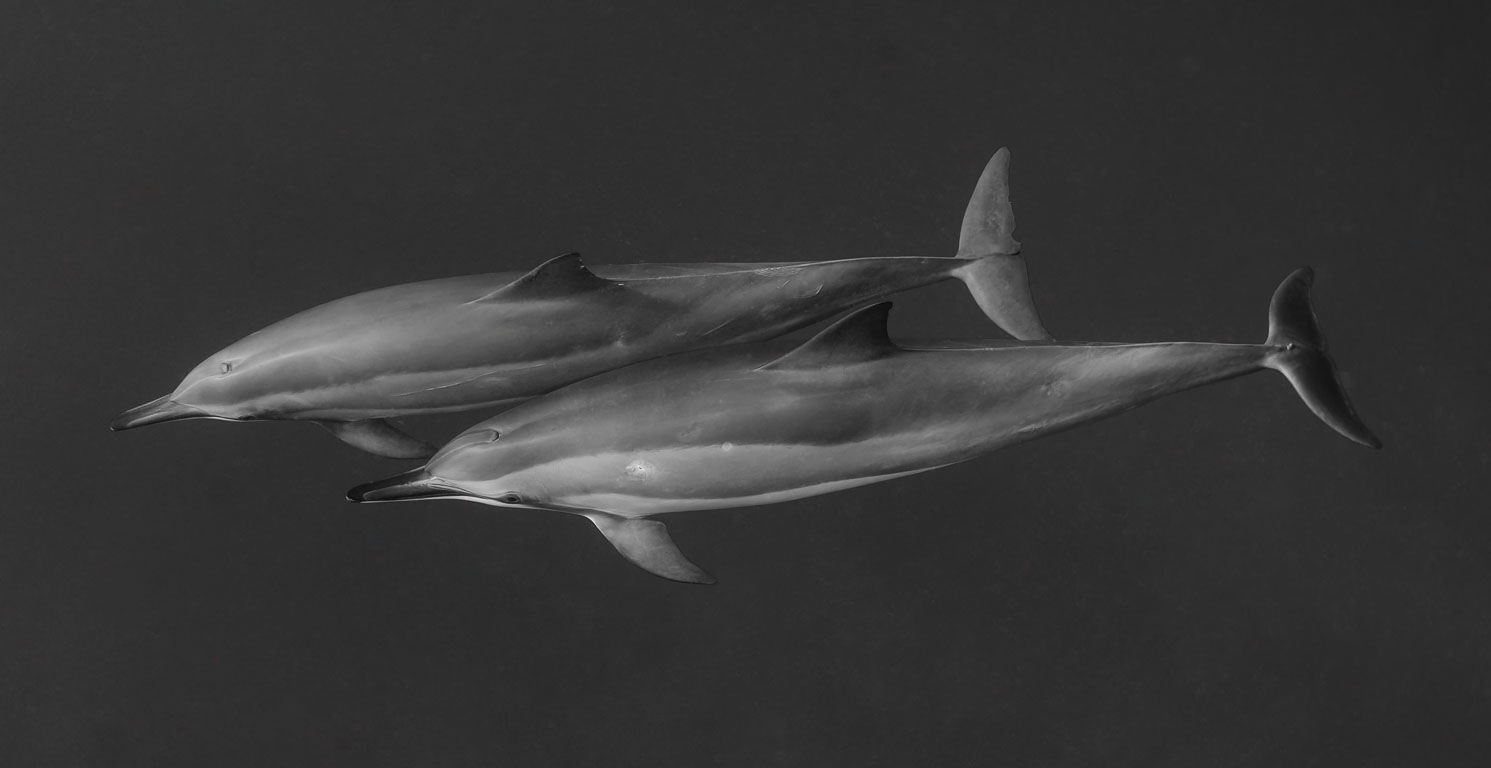
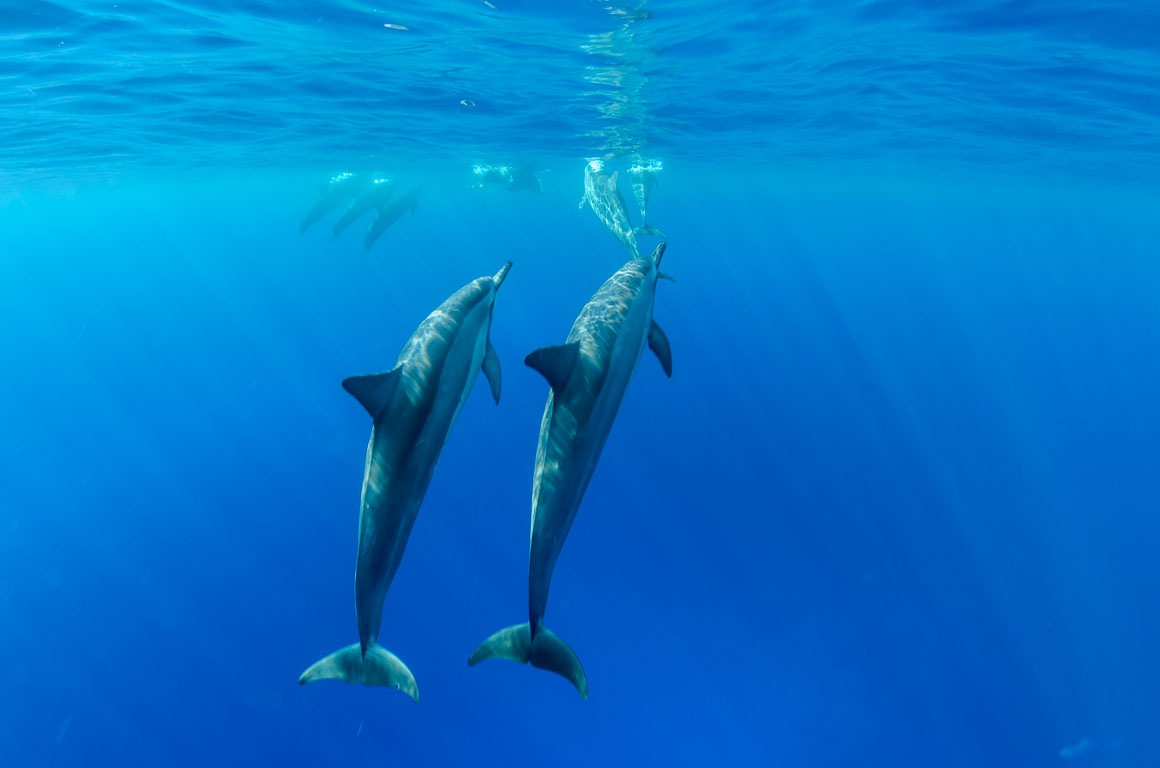
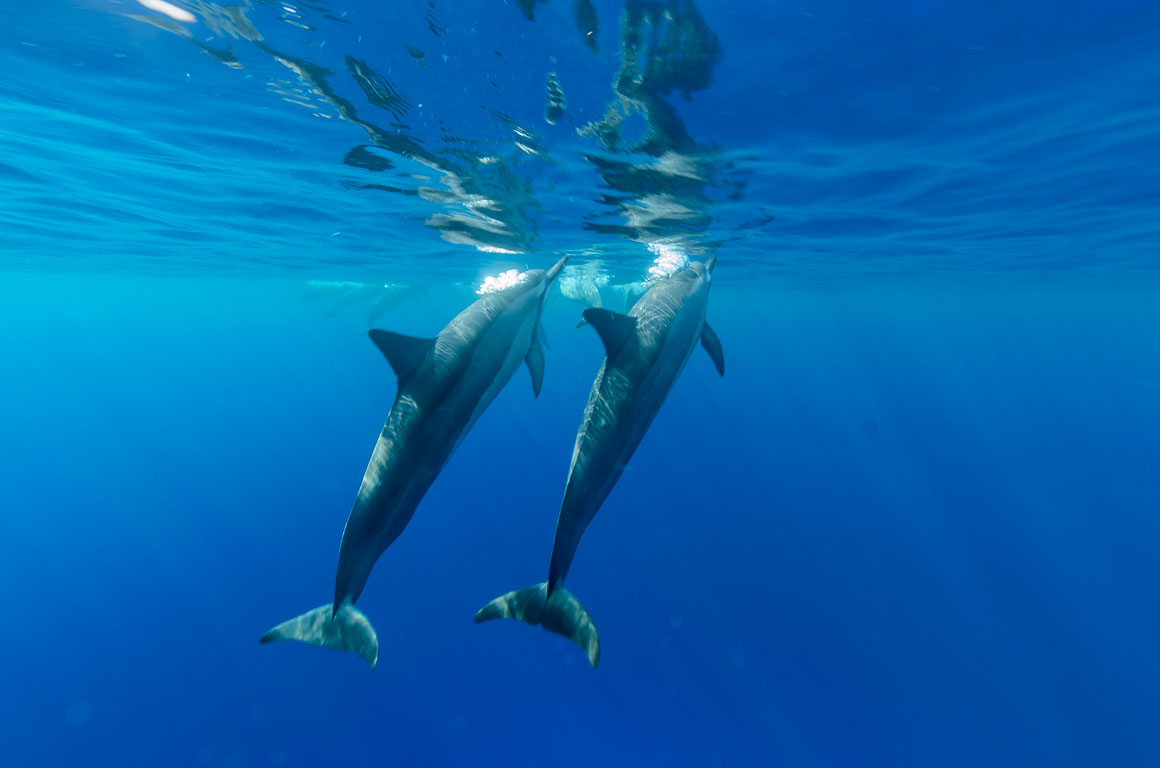
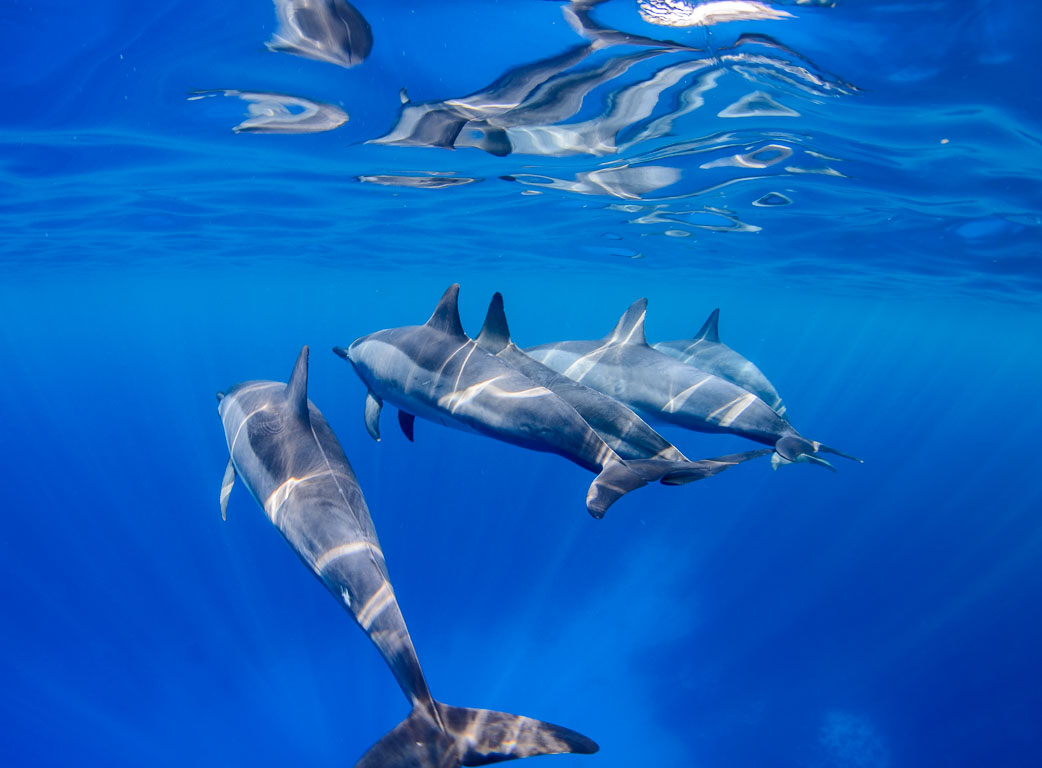
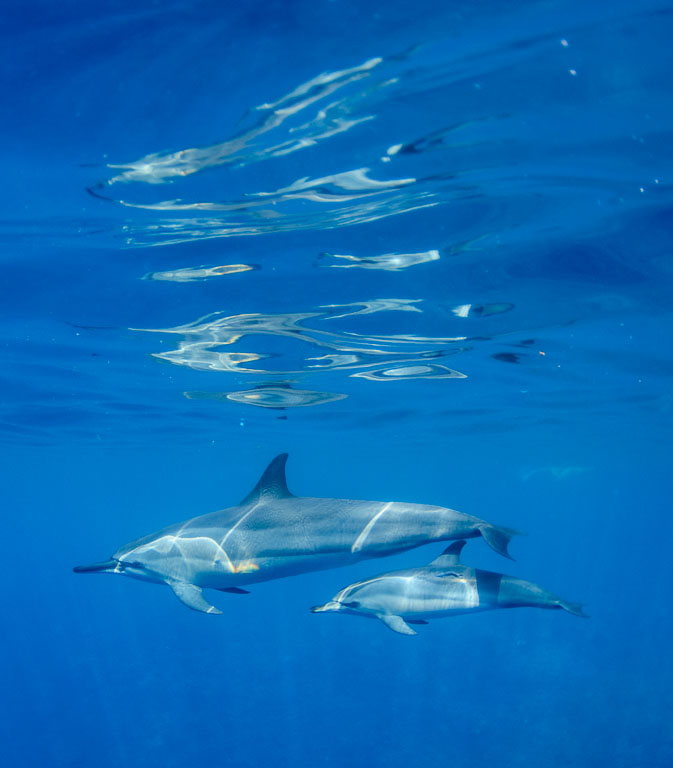
The bay is famous for its exceptionally clear water, colourful reef fish, and abundant Hawaiian green sea turtles. (Incidentally, honu is the Hawaiian word for turtle.) If you're particularly lucky—as I was on one visit—you may even have the chance to snorkel alongside a pod of playful spinner dolphins as they visit the sheltered bay.